

Midwifery, birth trauma and the path towards trauma-informed care
How years of NHS midwifery, yoga teaching and somatic practice shaped my understanding of birth trauma as a nervous system response, and what that means for the way healing work is offered.

Q&A with Michel Odent, childbirth wizard and interdisciplinary student of human nature
Michel Odent, obstetrician, birth pioneer and author, talks to Oli about oxytocin, the future of physiological birth, and why what happens in the first hour after birth matters more than we think.

Consent, autonomy and birth trauma
Why do some people feel deeply traumatised after clinically straightforward births, while others feel empowered after complex ones? One of the most consistent answers is consent, not as a legal formality, but as a felt experience in the body.

Common responses to birth trauma: understanding the nervous system
Flashbacks, hypervigilance, numbness, shame aren't signs of weakness, or anything to be ‘got over’ or pushed aside. They're intelligent survival responses that have got stuck. Understanding the biology can be the beginning of self-compassion.

Perinatal and birth trauma: Why many experiences go unseen and unspoken
"But your baby is healthy." "At least you're both okay." These responses, however well-meaning, can deepen shame and delay healing. This piece explores why birth trauma so often goes unrecognised, and why that needs to change.
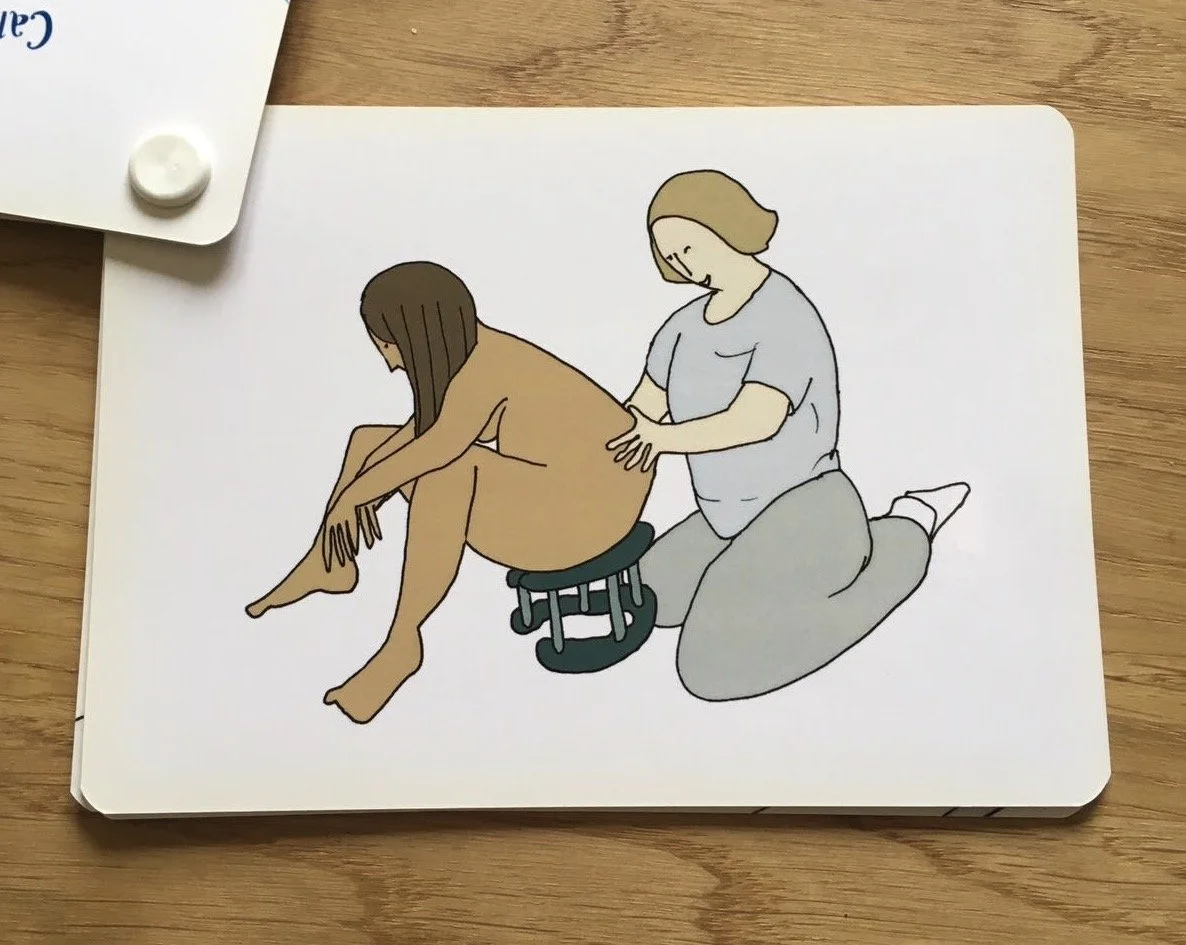
Physiological birth isn't ideology, it's biology. (Come back 'Ten Top Tips' normal birth needs you!)
The RCM's normal birth campaign didn't end midwives' commitment to physiological birth. This is a robust, evidence-based defence of why supporting normal birth matters, written in response to a wave of misinformation in the press and a campaign to discredit the very concept of physiological birth.

Yoga nidrā and the 'gift' of injury
A ruptured vertebral disc, spinal surgery, and a forced pause from midwifery and teaching. Out of that came a deepened encounter with yoga nidrā, and a discovery of what radical rest can actually do. A personal account of practice, pain, and finding something on the other side of it.

Breech holiday, Frankfurt
A week spent on call at Johann Goethe University's maternity unit in Frankfurt, one of the few centres in the world where physiological vaginal breech birth is practiced as routine. Five breech births, a busman's holiday, and a lot of questions about when to wait and when to help.
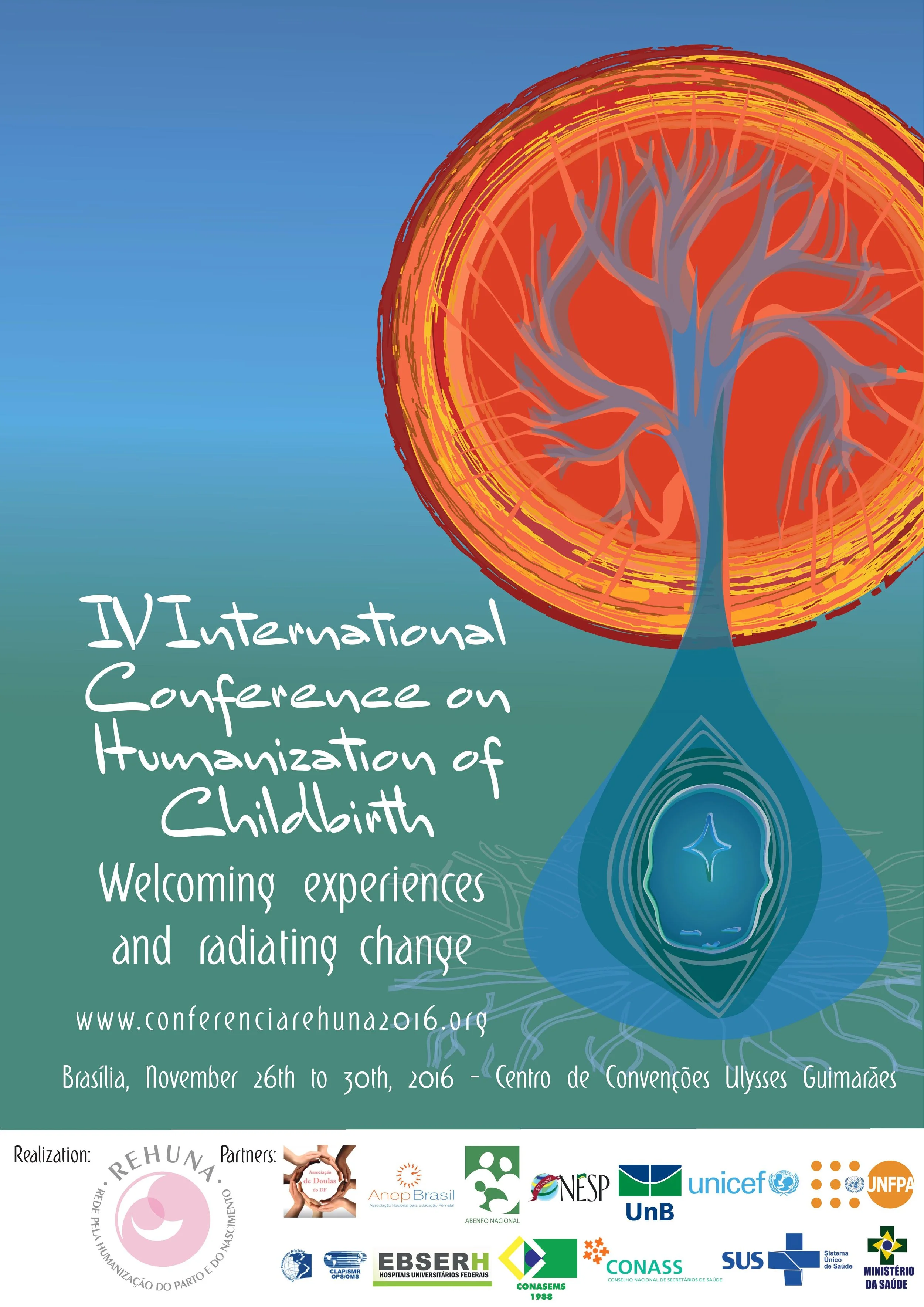
Humanization of Childbirth in Brazil
Notes from the IV International Conference on Humanization of Childbirth in Brasilia, 2016, where a grassroots movement was shifting Brazilian maternity care from technocratic toward humanistic. A post still in progress.

Adelir is becoming a midwife: "Life gave me a lemon - I'm making lemonade"
Originally written in 2014 in response to the Adelir case, this piece explores obstetric violence in Brazil, the international outcry it provoked, and what the push for humanized birth was trying to build in its place.

Obstetric violence and humanized birth in Brazil
Originally written in 2014 in response to the Adelir case, this piece explores obstetric violence in Brazil, the international outcry it provoked, and what the push for humanized birth was trying to build in its place.
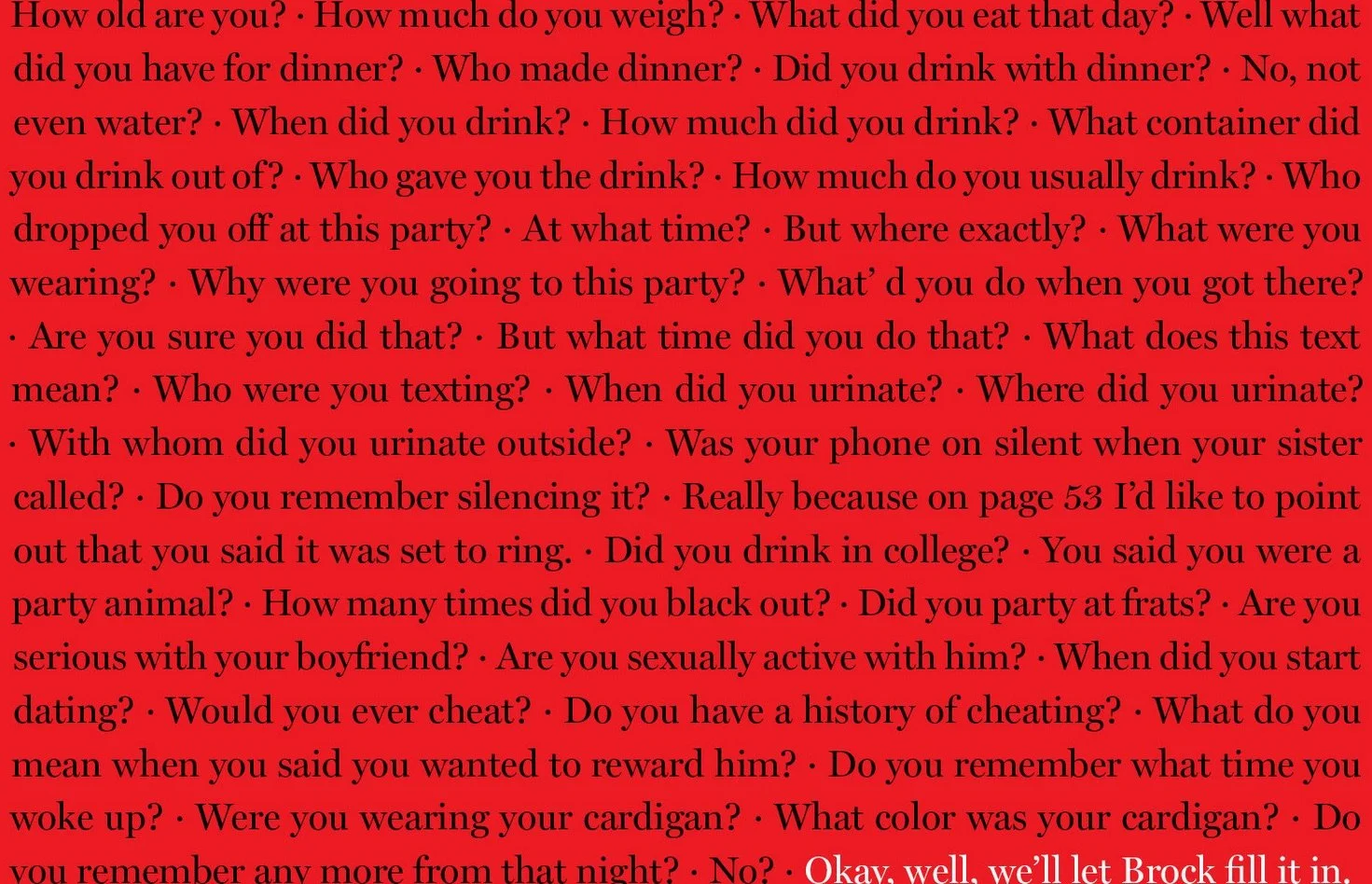
One in five: pain into strength - and new beginnings in maternity care
Starting from the Stanford rape trial and a survivor's impact statement, this piece draws a line between sexual violence, bodily autonomy, and the treatment of women in birth. A feminist analysis of what it means to have your body overridden, and why maternity care is not separate from that conversation.
Mary Cronk: Language - how far have we come?
Legendary midwife Mary Cronk wrote a letter to her sisters in midwifery asking what has really changed in the language of birth. Reproduced here at her request, with a transcript, for everyone who has ever had their autonomy reframed as a risk.
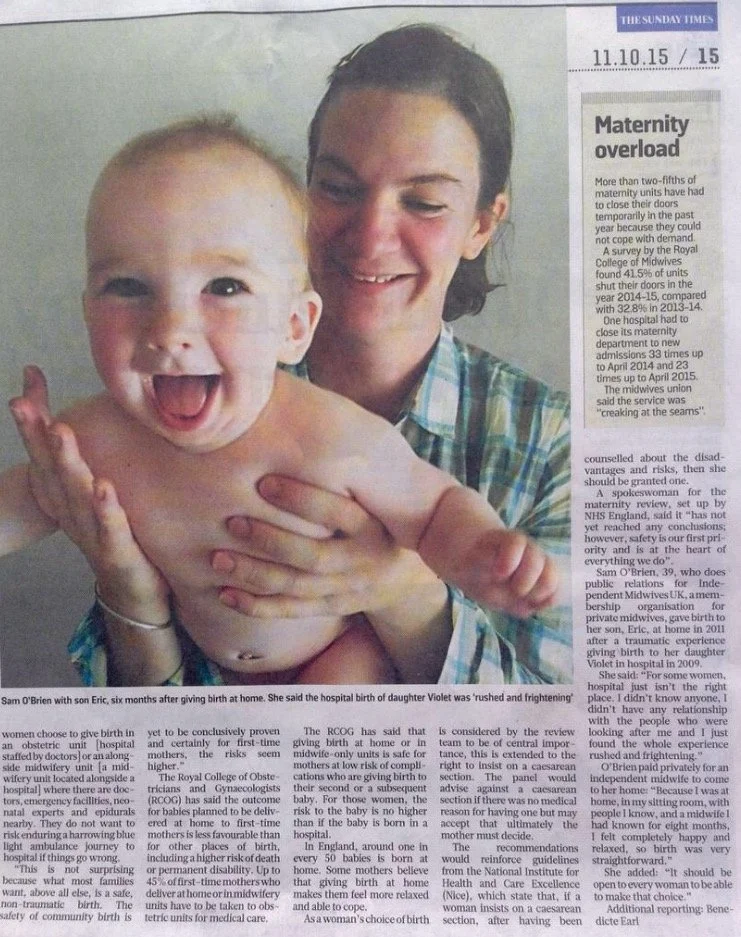
Evidence, Experience and Safety: Letters to Editor
A response to a Sunday Times piece on home birth that conflated safety with medicalisation and experience with risk. A collection of voices pushing back against the false choice between a good birth and a safe one.
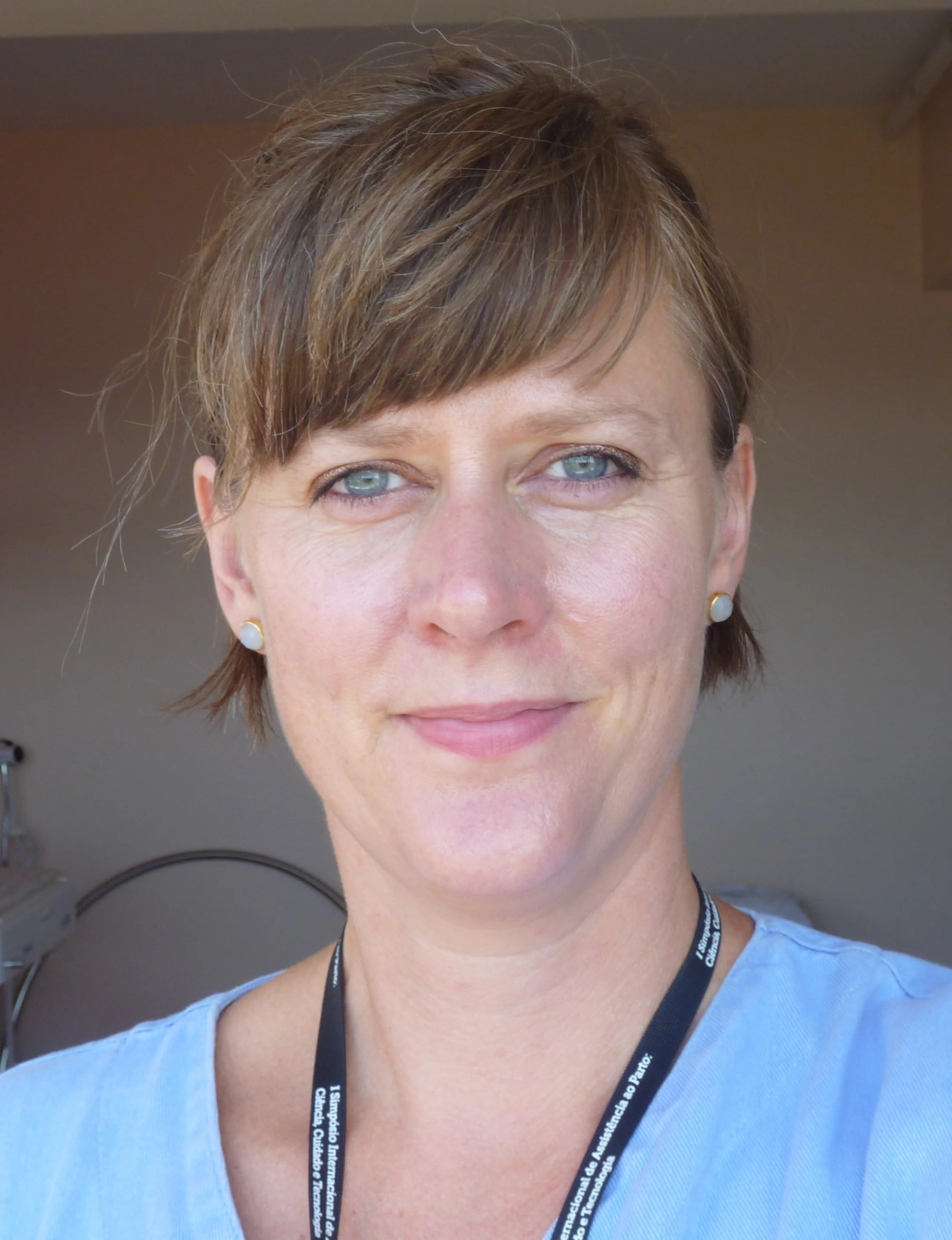
Midwifery reflections on the Kirkup report
Following the Morecambe Bay investigation, midwife Oli asked key figures in maternity care what the Kirkup report meant for them personally. Responses from Sheena Byrom, Jenny Hall, Mary Newburn, Lesley Page, Rebecca Schiller, Shawn Walker and Oli herself.

Down the rabbit hole of ‘reasonable’
What does "reasonable" actually mean? A late-night detour through philosophy, law, human rights legislation and NIH consensus statements, prompted by an undergraduate midwifery dissertation on vaginal breech birth. Useful exercise or excellent procrastination? Possibly both. Curiouser and curiouser..